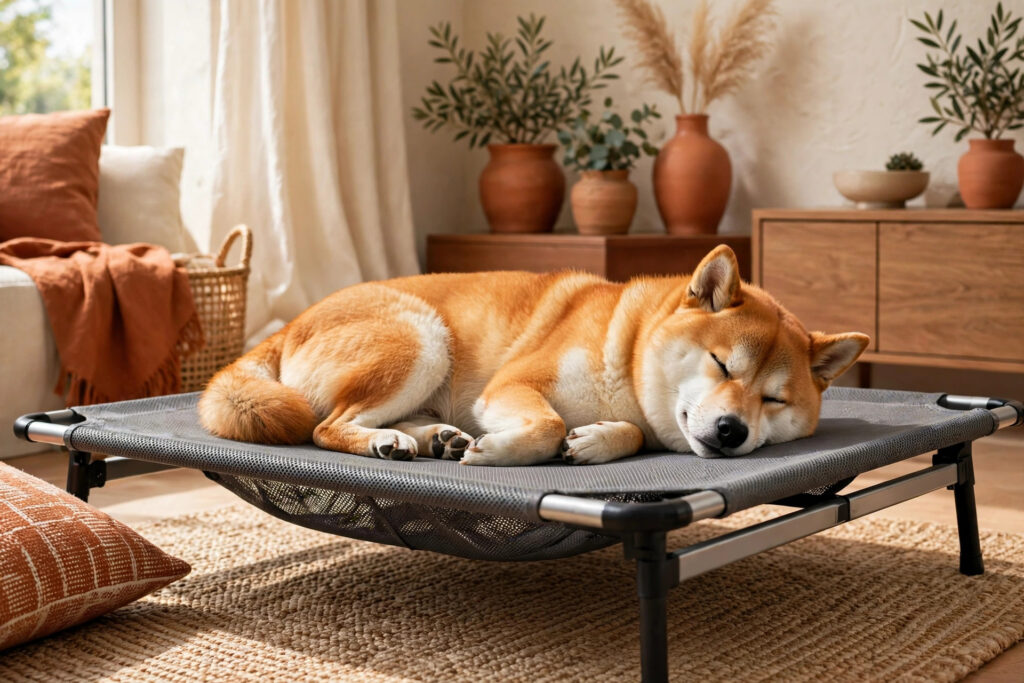
Some dogs run hot. They sprawl on tile, pant through the night, and abandon a plush bed by 2 a.m. A cooling dog bed will not fix a hot room, but the right one helps: breathable mesh that lets air move, a gel layer that feels cool at first touch, or a raised cot that lifts your dog off warm flooring. Pick by how your dog actually sleeps, not by the boldest claim on the box.
What to look for in a cooling dog bed
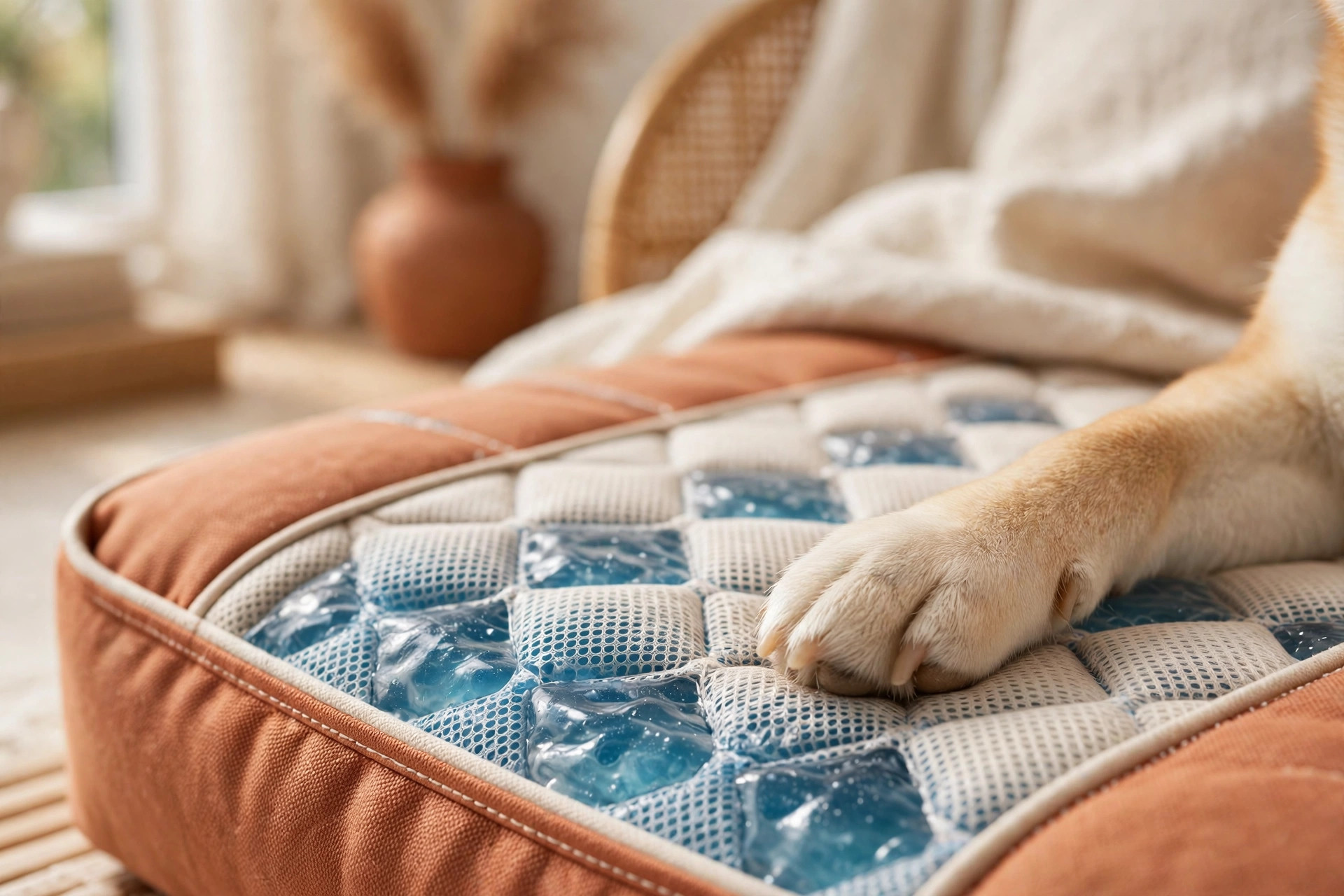
Cooling method first. You get three real options. Gel-infused foam absorbs body heat for a while, then levels off. Raised mesh cots move air underneath all night. Water-filled pads stay cool longest but weigh a lot and need care. None of them refrigerate. If a listing promises air-conditioner results, keep scrolling.
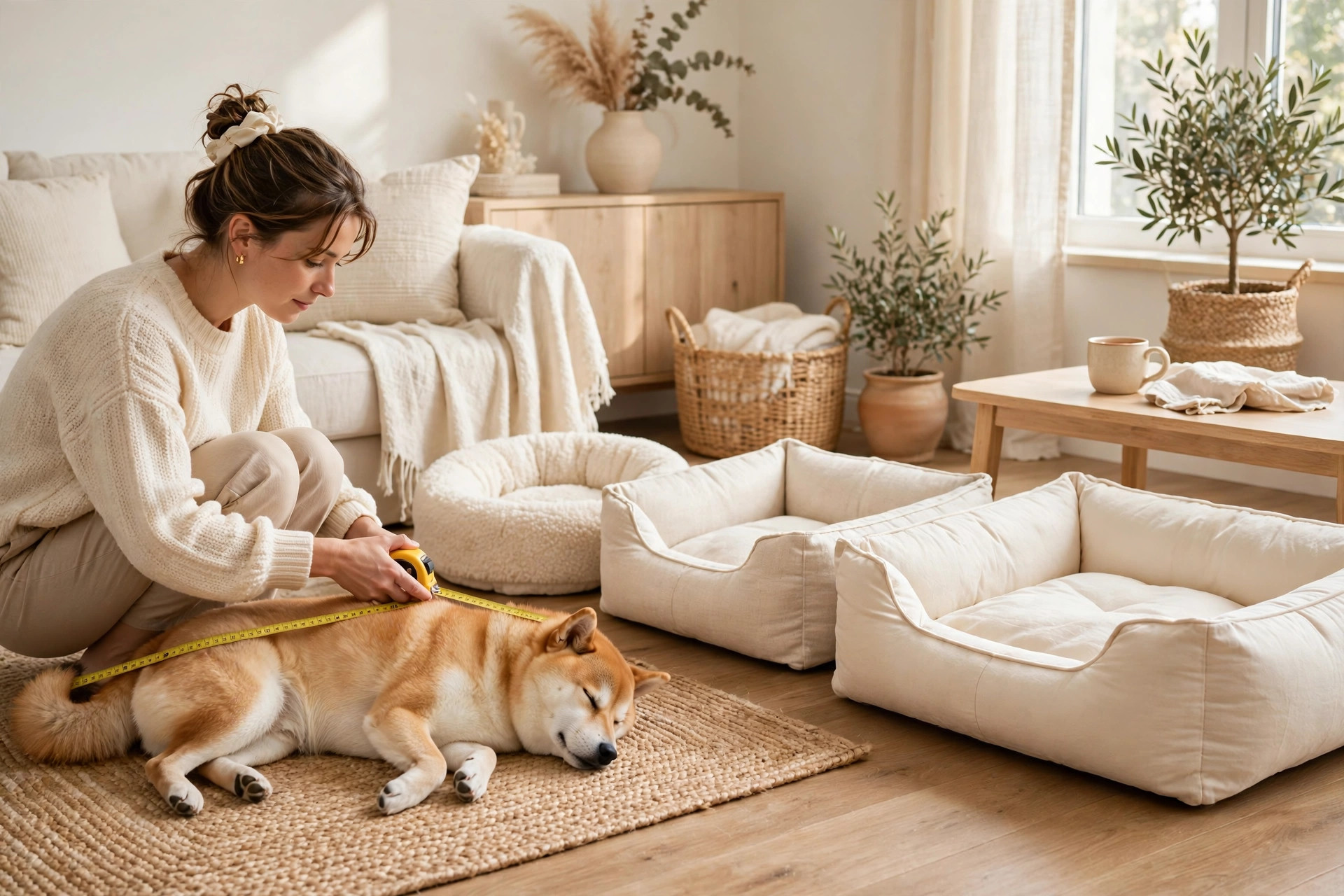
Size honestly. Measure your dog nose to tail while sleeping, then add room to stretch. A curler can use a smaller, nest-shaped bed. A sprawler needs the full rectangle, paws and all.

Washability. A cooling bed that you cannot wash becomes a warm, grubby bed within a month. Look for a removable cover you can machine wash, or a mesh you can hose down and dry in the sun.
Chew resistance. Puppies and determined chewers can open foam in minutes. For them, a framed cot with no exposed foam is the safer buy.
How we evaluate
We compare beds on the details a listing tends to bury: the cooling method and how long the maker says it lasts, the sleep surface dimensions (not the outer frame), cover care, weight limits, and the return window. We read owner reports for patterns — sagging mesh, gel that stopped feeling cool, covers that shrank — and we flag beds where the same complaint shows up again and again. Price counts, but a cheap bed replaced twice is not cheap.
Quick comparison
| Pick | Cooling type | Best for | Skip if |
|---|---|---|---|
| Gel foam bed | Gel-infused foam | Dogs who settle quickly | Your dog chews foam |
| Raised mesh cot | Airflow | Hot rooms, heavy shedders | Your dog needs joint cushioning |
| Cooling mat | Pressure-activated gel | Crates, travel, small spaces | You want a full bed |
| Orthopedic cooling bed | Foam + cool-touch cover | Senior dogs, sore joints | Budget is tight |
| Water cooling pad | Water-filled | Dogs who run very hot | You cannot manage the weight |
The picks
1. Gel foam bed — best for most warm sleepers
A flat foam bed with a gel layer on top. It feels cool when your dog first lies down, which is exactly when a restless dog decides whether to stay. The foam also cushions hips and elbows better than a mat.
Pros: cool first contact; supportive; usually has a washable cover. Cons: the cool feeling fades after a long stretch; exposed foam is a chew target.
Who it’s for: adult dogs who pick a spot and commit. Who should skip: puppies and chewers.
2. Raised mesh cot — best for hot rooms
No foam, no gel. Just a breathable mesh slung across a frame, a few inches off the floor. Air moves under your dog all night, and hair shakes straight off. It is the least fancy option here and, in a stuffy room, often the most effective.
Pros: airflow never runs out; easy to clean; nothing to chew through except the mesh itself. Cons: little cushioning for bony or senior dogs; some dogs dislike the slight bounce at first.
Who it’s for: thick-coated dogs and warm homes. Who should skip: arthritic dogs, unless you add a thin pad on top.
3. Cooling mat — best for crates and travel
A thin, pressure-activated gel mat. No fridge, no water, no plug. Drop it in a crate, on a car seat, or over an existing bed. It will not replace a bed, and it does not pretend to.
Pros: portable; nothing to fill or charge; wipes clean. Cons: minimal padding; a determined scratcher can puncture it.
Who it’s for: crate sleepers and road trips. Who should skip: dogs who need real joint support.
4. Orthopedic cooling bed — best for senior dogs
Dense support foam under a cool-touch cover. This is the pick for an older dog who is both stiff and warm — a common pair. You pay more, and the bed weighs more. For a dog who spends most of the day asleep, that trade makes sense.
Pros: best joint support in this roundup; cover usually removes for washing. Cons: priciest option; bulky to move.
Who it’s for: seniors and large breeds. Who should skip: anyone buying for a puppy who will outgrow it in months.
5. Water cooling pad — best for dogs who run very hot
A sealed pad you fill with water. It stays cool longer than gel because water holds temperature well. It is also heavy, awkward to move, and a puncture is a flood. Know that going in.
Pros: longest-lasting cool surface here. Cons: heavy; puncture risk; needs occasional cleaning inside.
Who it’s for: thick-coated dogs in genuinely hot homes. Who should skip: chewers, scratchers, and anyone upstairs with wooden floors.
Verdict
Start simple. If your dog sprawls on cool floors, a raised cot copies that trick and costs the least. If your dog loves a cushioned bed but leaves it hot, gel foam is the safer first buy. Save the water pad for the dog who is still panting on both. And measure before you order — most returns in this category are size mistakes, not bad beds.
Questions owners ask before buying
Do cooling dog beds really work?
They help at the surface. A gel layer feels cool on contact, a cot moves air, and a water pad stays cool for hours. None of them lower the room temperature, so a dog who is hot everywhere still needs shade, water, and airflow in the room itself.
Which cooling bed is best for a senior dog?
An orthopedic cooling bed. Seniors need joint support first and cooling second, and that style is the only one here that does both well. Avoid a bare cot unless you add padding.
How do I clean a cooling bed?
Follow the cover, not the filling. Most foam-bed covers unzip and machine wash. Mesh cots hose down. Gel mats wipe clean but should not be soaked, and water pads need the maker’s cleaning guidance so the inside stays fresh.
Can a puppy use a cooling bed?
Yes, with supervision. Choose a framed cot or a mat with no exposed foam, and take it away if your puppy starts chewing the edges. Cooling comfort is not worth a swallowed chunk of foam.
This article was created with AI assistance and reviewed by our editorial team before publishing.
 How to Choose Pet Gear That Actually Works: The Honest Buyer’s Guide
 Cat Window Perches & Hammocks: 3 Styles Compared (2026)
 Dog Bed Setup Guide: Choosing the Right Bed & Spot