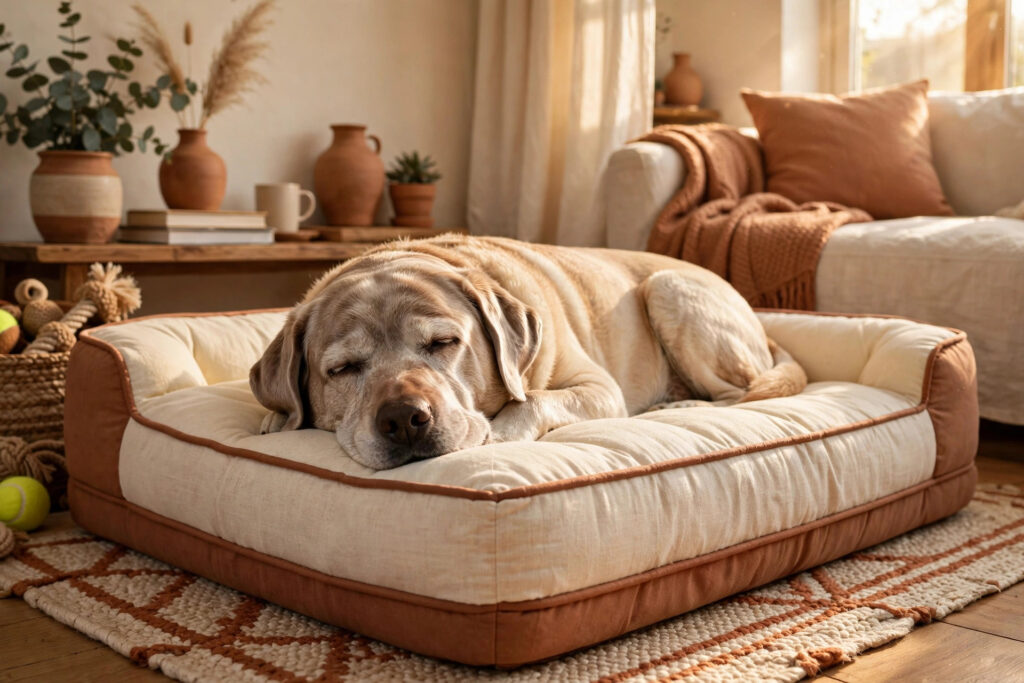
The short answer: Senior dogs need thick memory foam (at least 4 inches), a washable cover, and a low entry height for stiff joints. The six beds below were picked for foam density, joint-support design, ease of cleaning, and strong feedback from owners of older dogs.
Old dogs sleep up to 18 hours a day. Where they sleep matters — a thin pad on a hard floor does nothing for arthritic hips. The right bed can genuinely change how your senior moves in the morning.
How we picked
We compared foam specs (density and thickness), cover materials, entry heights, and owner reviews focused on dogs 8+ years old. No fake lab scores — just the features that matter for aging joints, backed by what vets recommend for arthritis management.
What aging joints need
- Real memory foam, 4″+ thick. Thin “egg-crate” foam bottoms out under weight. You want support, not decoration.
- Low profile. Stiff dogs shouldn’t have to climb. Look for beds under 8 inches tall.
- Washable everything. Senior dogs have accidents. A non-removable cover is a dealbreaker.
- Non-slip base. A bed that slides when a wobbly dog steps on is a fall risk.
Our 6 picks
Pick 1
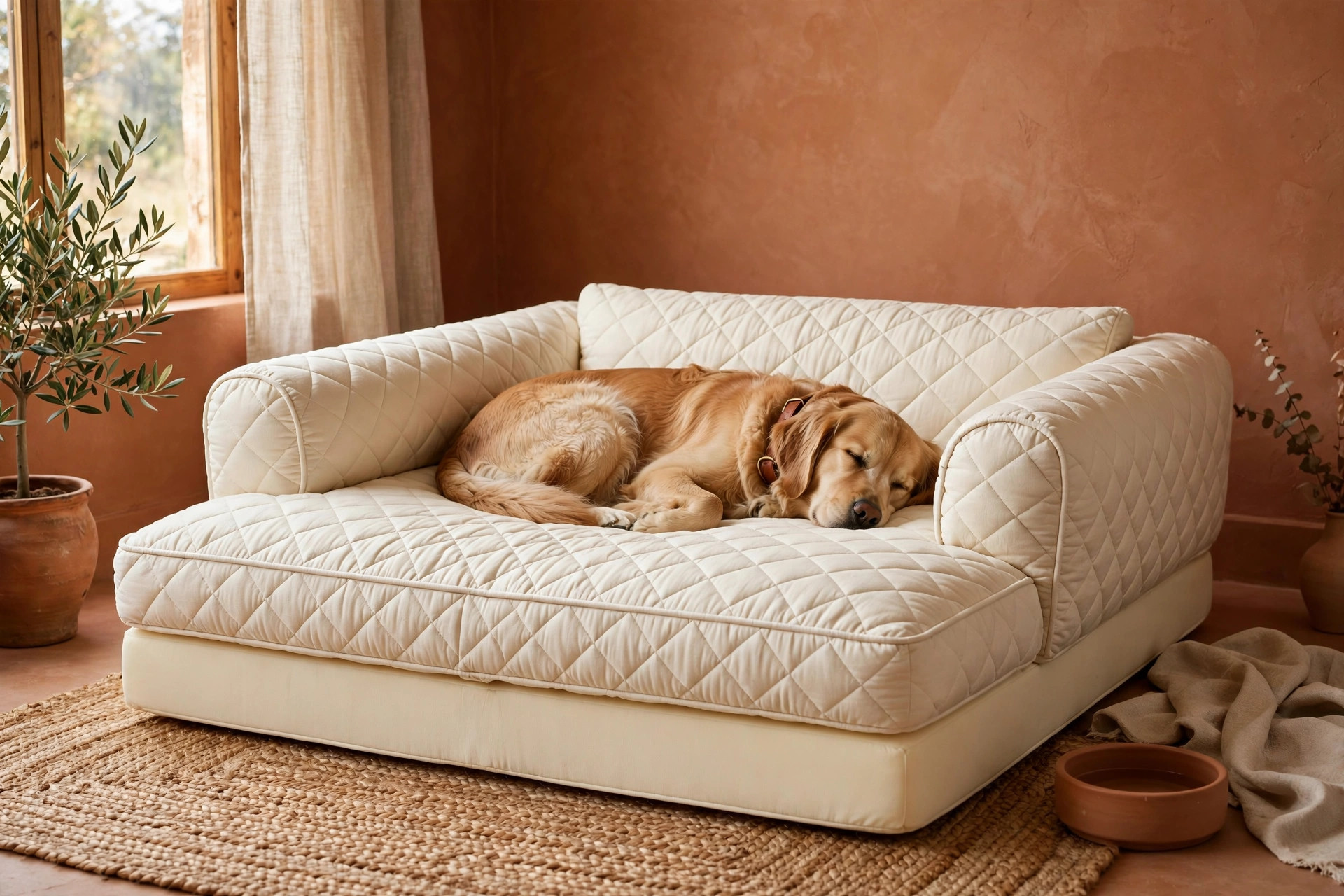
Thick Memory Foam Lounger
What to look for
- 4-inch dense memory foam that doesn’t bottom out under large breeds
- Removable, machine-washable cover for easy accident cleanup
- Water-resistant liner protecting the foam underneath
- Low overall height so stiff dogs step on, not up
How we evaluate
We compare foam density and thickness specs, since true 4-inch dense foam is the line between support and decoration. We check cover materials for genuine machine-washability and look for water-resistant liners that protect the foam core. We also review feedback from owners of large senior breeds, where bottoming-out is the most common complaint and the true test of a bed’s claims.
Pros
- The all-rounder. It checks every box a senior bed needs: dense support, a washable cover, and a low entry height. For owners who want one bed that simply works, this is the safe recommendation.
- Won’t bottom out. Four inches of dense foam holds up under large breeds where thinner beds compress to nothing. Do the knee test: press down hard, and you should feel support, not floor.
- Foam protected for the long run. The water-resistant liner stands between accidents and the foam core, which is what actually kills most beds. Senior dogs have accidents, and a bed that survives them is a bed you buy once.
Cons
- Bulky to move. True 4-inch dense foam is genuinely heavy, so repositioning the bed is a two-hand job. If you like moving the bed between rooms daily, plan for the workout or buy two.
The all-rounder. Does everything a senior bed should.
Pick 2
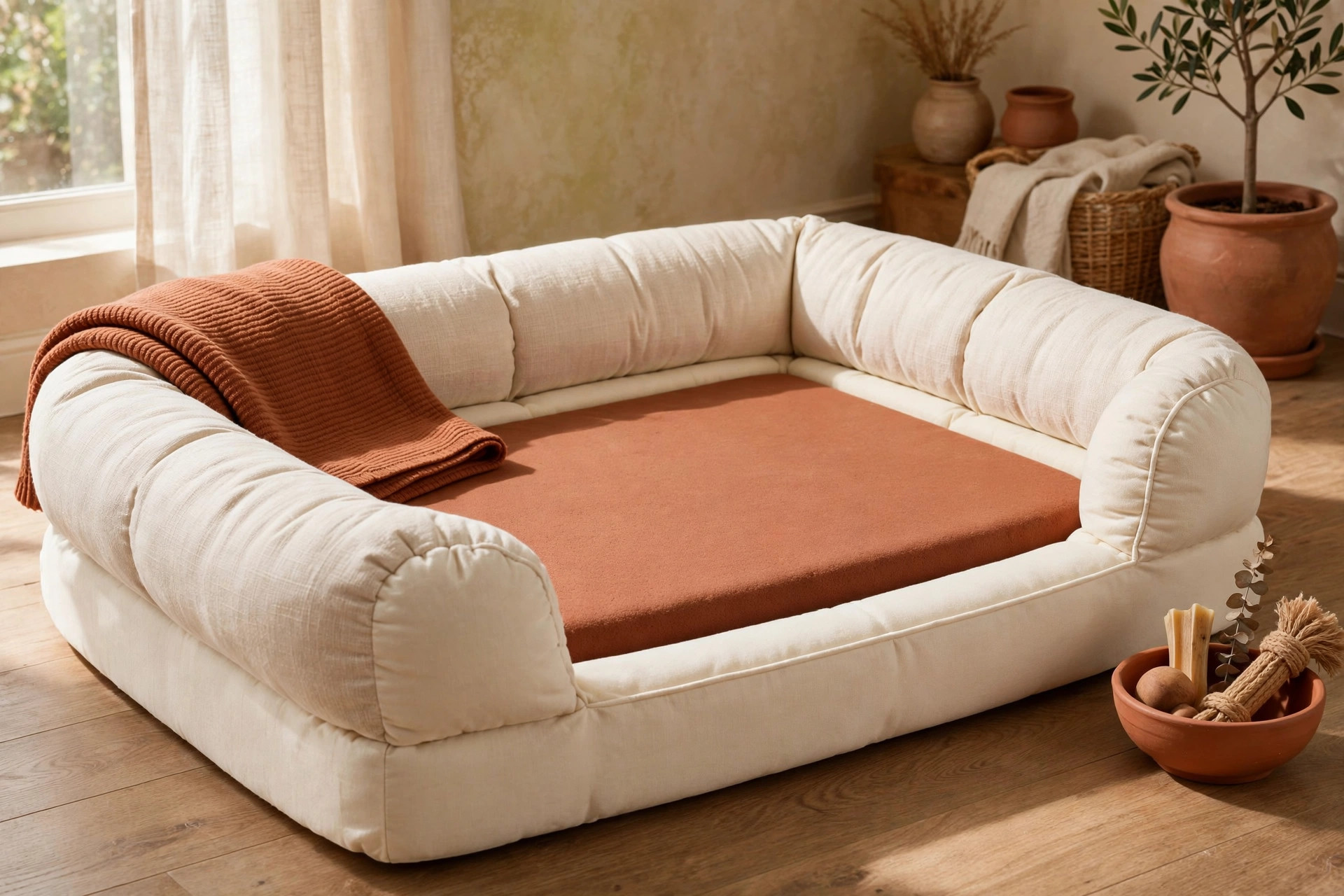
Bolstered Orthopedic Sleeper
What to look for
- Raised edges for dogs that like to rest their chin or lean while sleeping
- Orthopedic foam base with a softer comfort top layer
- Low front entry so stiff dogs can walk straight in
- Washable bolster covers — raised edges collect drool and dirt
How we evaluate
We check that the base is true orthopedic foam rather than stuffing under a pretty cover, which is the most common disappointment in this category. We measure front-entry height, since a tall bolster wall defeats the purpose for stiff dogs. We also review feedback from owners of dogs that nest or lean against sides, which is the audience this design serves.
Pros
- Best for leaners and nesters. Dogs that sleep with their chin on a cushion or lean against furniture get exactly that support built in. For nesters, the raised edges create the enclosed feeling they naturally seek out.
- Layered comfort. The orthopedic base handles joint support while a softer top layer adds the plush feel many dogs prefer. It is a thoughtful compromise for dogs that need support but refuse to sleep on anything that feels like a hospital mattress.
- Easy entry. The low front entry lets stiff, arthritic dogs walk straight in without climbing over a wall. That small design detail is what makes the difference between a bed a senior dog uses and one they avoid.
Cons
- More seams to clean. The raised edges add seams and crevices where hair, drool, and dirt collect over time. Look for washable bolster covers, and expect a bit more maintenance than a flat lounger.
Best for dogs that lean or nest against sides.
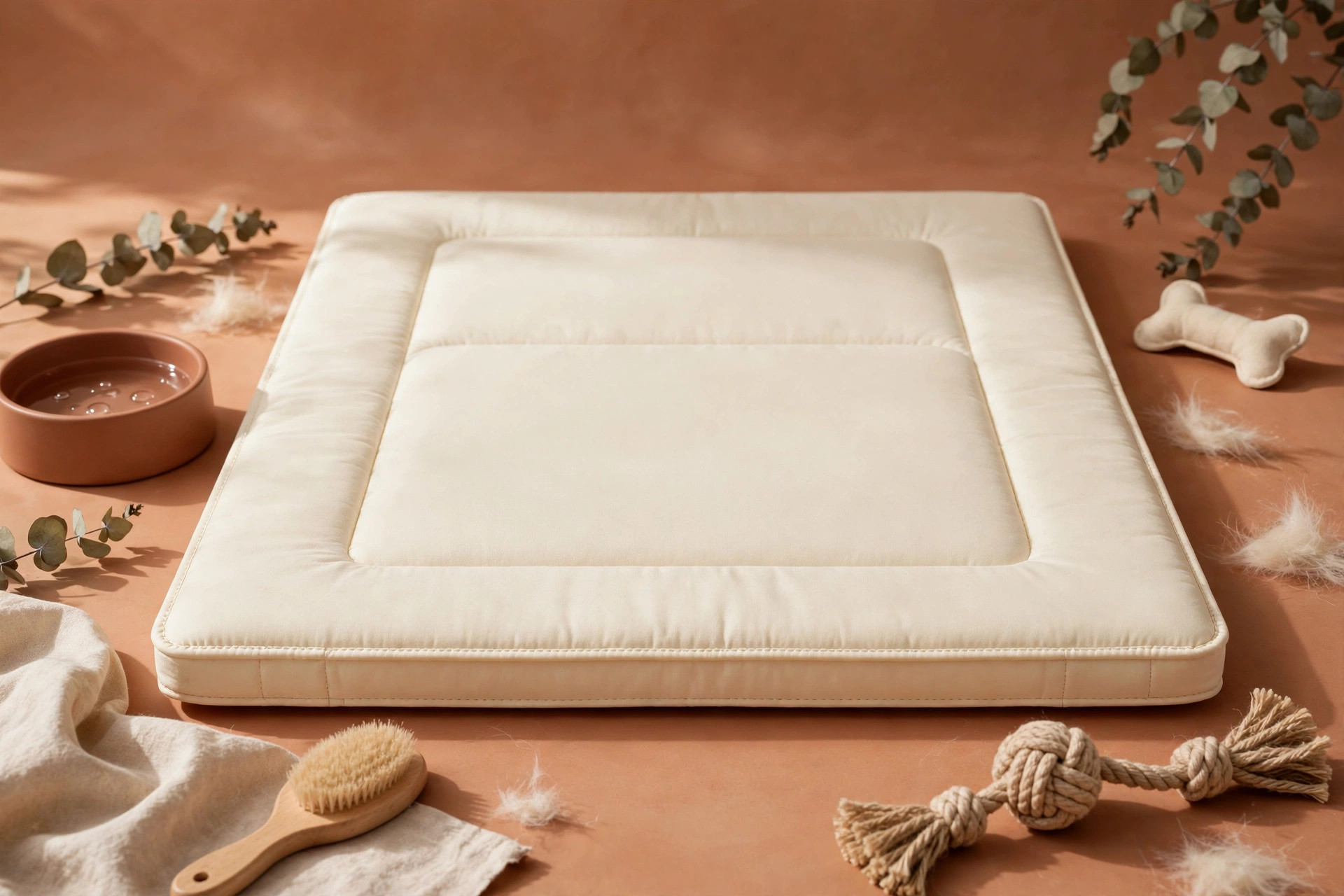
3. Flat Rehab Mat
What to look for
- Ultra-low profile (around 3 inches) — step on, don’t climb
- Medical-grade foam of the kind used in vet rehab
- Fully waterproof surface that wipes clean
- Non-slip bottom so it stays put on hard floors
How we evaluate: We verify the foam grade and thickness against rehab use cases, checking it against the kind of foam used in vet rehab settings. We check waterproofing claims against owner reports of accidents, since a “waterproof” surface that isn’t will fail fast. We also weigh feedback from owners of post-surgery and severely arthritic dogs, which is where this design either proves itself or doesn’t.
Pros
- Zero climbing required. At around three inches tall, dogs step onto it rather than climbing, which matters enormously for severe arthritis or post-surgery recovery. For dogs that struggle with even small steps, this is the difference between using the bed and avoiding it.
- Medical-grade foam. The foam grade matches what vet rehab clinics use for recovery patients, not the decorative foam of ordinary pet beds. That pedigree shows in how it holds its shape under sustained weight.
- Fully waterproof. The fully waterproof surface wipes clean, which is essential for incontinent seniors and post-surgery dogs. No removable cover to fight with, no foam to protect — just wipe and done.
Cons
- Minimalist look. A flat mat will never look as inviting as a plush bolstered bed, and some owners find it clinical. But for a dog recovering from surgery, function beats coziness every time.
Verdict: For dogs with serious mobility issues or post-surgery recovery.
Pick 4
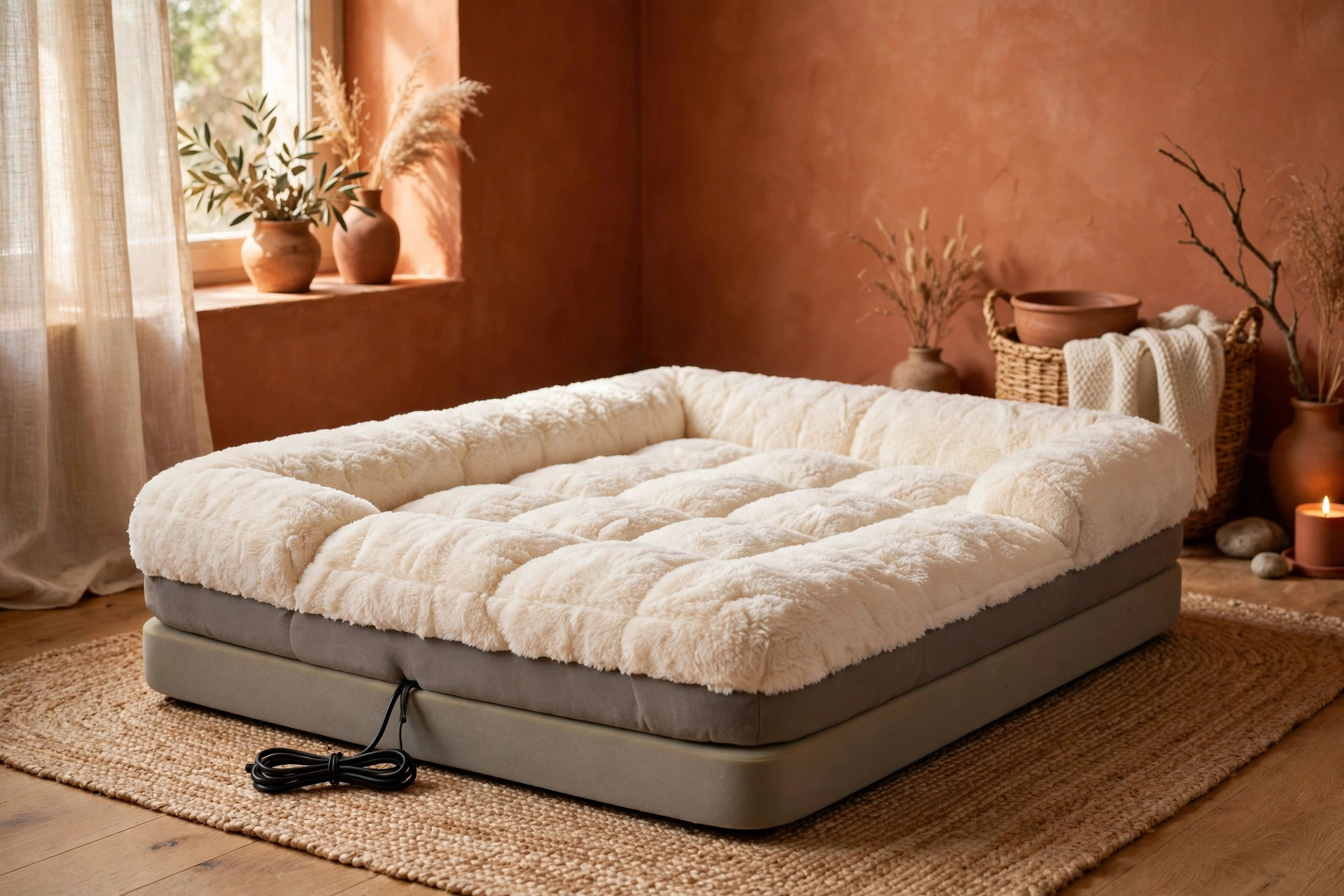
Heated Orthopedic Bed
What to look for
- Low-voltage warming pad that soothes stiff joints
- Memory foam base with a plush comfort top
- Auto shut-off for safety when you’re not home
- Chew-resistant cord protection
How we evaluate
We check heating specs for low-voltage operation, even heat distribution, and auto shut-off, which are the three non-negotiables for a heated pet product. We verify the foam base is genuine memory foam rather than thin padding wrapped around a heater. We also review owner reports on whether arthritic dogs visibly relax faster, since warmth that doesn’t translate to comfort is just a higher electric bill.
Pros
- Gentle warmth for stiff joints. Low, even heat soothes stiff arthritic joints in the way a warm towel does after a long walk. Owners consistently report their seniors settling faster and sleeping more deeply on gentle warmth.
- Memory foam base underneath. Underneath the warming layer sits a genuine memory foam base, so the bed supports joints rather than just heating them. That combination — warmth plus real support — is what separates this from a simple heated pad.
- Auto shut-off safety. The auto shut-off means the bed turns itself off after a set period, so there is no worry about leaving it running all day. For a heated product used around animals, that safety feature is essential, not optional.
Cons
- Needs a power outlet nearby. The bed has to live within cord length of an outlet, which limits where it can go in the room. And for dogs that chew cords, supervision or a cord protector is a must.
Arthritic dogs visibly relax faster on gentle warmth.
Pick 5
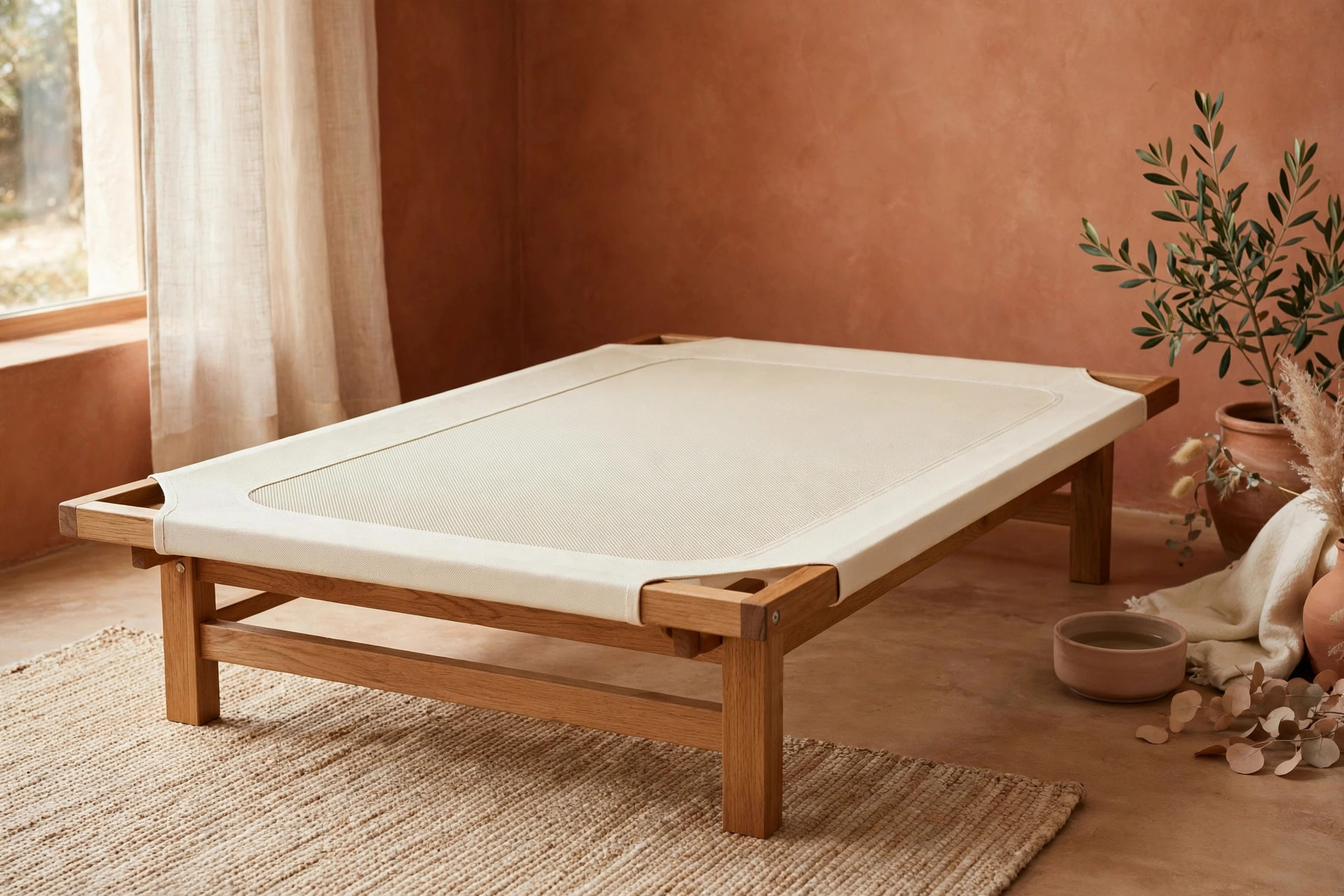
Elevated Cooling Cot + Pad
What to look for
- Raised mesh design that keeps air flowing underneath
- An orthopedic pad add-on for actual joint support
- Sturdy frame rated for your dog’s weight
- Suitability for warm climates or thick-coated breeds
How we evaluate
We check frame weight ratings and mesh tautness, since saggy mesh defeats the entire point of an elevated design. We confirm the orthopedic pad is a real foam insert rather than a thin cushion for show. We also review feedback from owners in warm climates and of thick-coated breeds, which is the audience this design is built for.
Pros
- The warm-weather senior solution. The raised mesh design lets air circulate underneath, which keeps hot dogs comfortable through summer nights. For seniors that pant through July, that airflow matters more than any amount of cushioning.
- Joint support via the pad. The orthopedic foam insert adds the joint cushioning that the mesh surface alone cannot provide. Together they make a genuine orthopedic bed rather than just a cool place to lie.
- Great for thick-coated breeds. Thick-coated breeds like huskies and malamutes run hot indoors, and owners report these dogs finally sleeping through the night on a cooling cot. It solves the temperature problem that no amount of foam addresses.
Cons
- Support depends on the pad. The mesh surface on its own offers no joint support at all — the add-on pad is doing all the real orthopedic work. Make sure you are buying the pad version, not the bare cot, or the “orthopedic” claim evaporates.
The warm-weather senior solution.
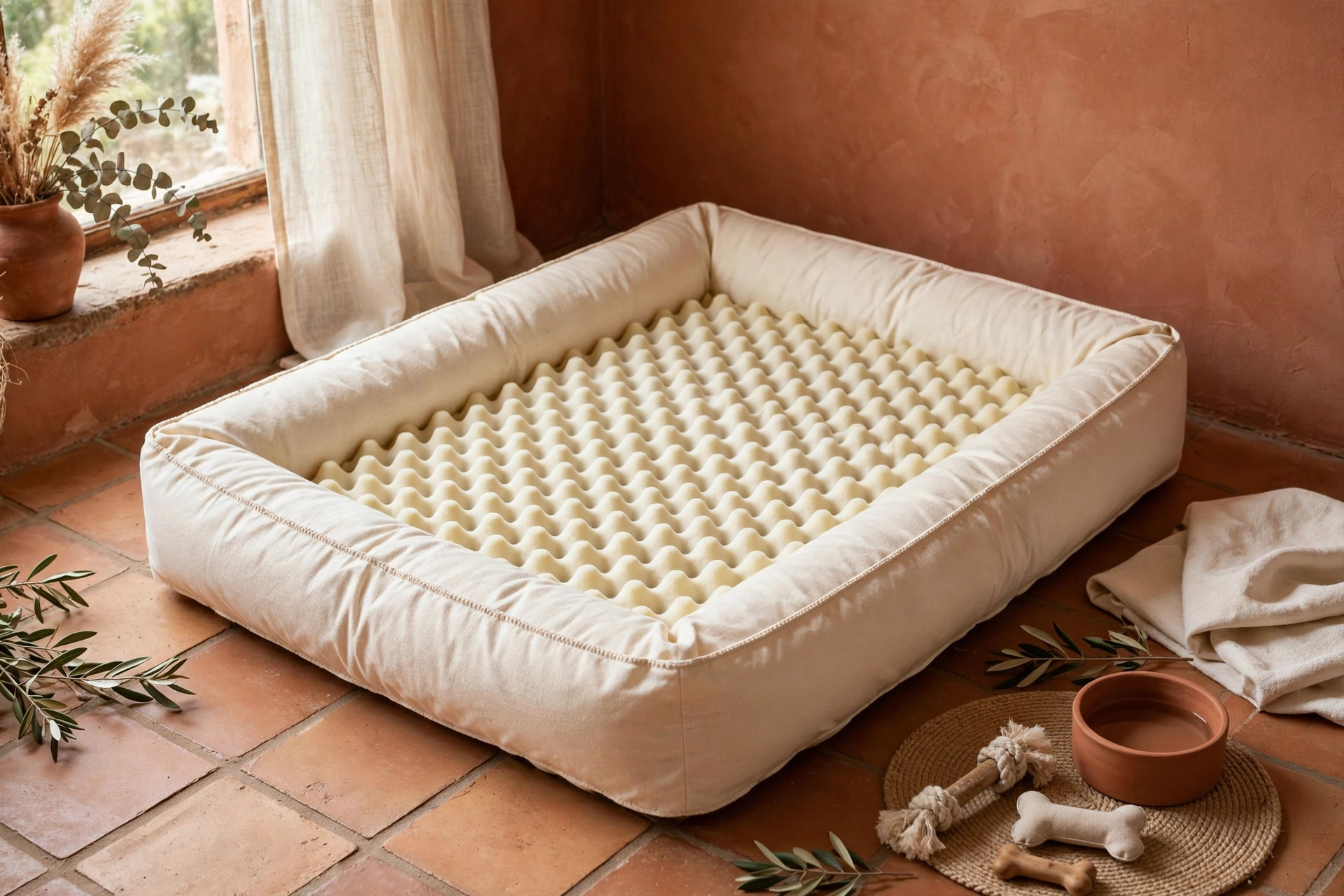
6. Budget Egg-Crate Foam Bed
What to look for
- Real orthopedic contouring even at a budget price
- Washable cover included — non-negotiable at any price
- Thinner foam honestly disclosed, not marketed as “memory foam”
- A sensible role: second bed for another room
How we evaluate: We check what the foam actually is — honestly labeled egg-crate, not marketed as “memory foam” — since honest specs are the point of this category. We confirm a washable cover is included at the price, which is rare and non-negotiable. We also review whether owners find it a genuine upgrade over a blanket on the floor, because that is the honest benchmark for a budget bed.
Pros
- Genuine upgrade on a budget. Convoluted foam still distributes weight far better than a folded blanket on hardwood. For the price of a pizza, a senior dog gets meaningfully better sleep.
- Washable cover included. A removable, washable cover at this price point is genuinely rare — many budget beds skip it entirely. Given that senior dogs have accidents, that inclusion alone justifies the purchase.
- Good second bed. At this price it makes a sensible second bed for another room, the office, or the car. Many owners buy the premium bed for the bedroom and this one for everywhere else.
Cons
- Won’t match 4-inch memory foam. Egg-crate foam compresses under sustained weight, so large seniors will bottom out where 4-inch memory foam holds firm. It is honest about what it is — a budget step up, not a premium replacement.
Verdict: Won’t match 4-inch memory foam, but far better than a blanket on the floor.
Foam thickness is one of several measurements that decide whether gear works. Our buyer’s guide to choosing pet gear that actually works collects the spec checks we use across beds, toys, carriers and more.
FAQ
How thick should an orthopedic bed be?
Memory foam vs. egg-crate: does it matter?
My senior dog won’t use a new bed. What helps?
This article was created with AI assistance and reviewed by our editorial team before publishing.
 5 Best Cooling Dog Beds for Warm Sleepers (2026)
 How to Choose Pet Gear That Actually Works: The Honest Buyer’s Guide
 Cat Window Perches & Hammocks: 3 Styles Compared (2026)