
The short answer: Dogs with sensitive stomachs do best on limited-ingredient foods with a single novel protein (like salmon or turkey), no artificial additives, and added prebiotics or pumpkin for digestion. The seven picks below were chosen for clean ingredient panels, vet-nutritionist-aligned formulations, and consistently strong owner feedback.
If your dog’s stomach gurgles after every meal, you’re not alone. Food sensitivities are one of the most common reasons dogs visit the vet — and the fix is often simpler than you’d think: fewer ingredients, better protein, nothing artificial.
How we picked
We didn’t lab-test these in a facility. Our picks are based on ingredient-panel analysis, AAFCO nutritional adequacy statements, veterinary nutritionist guidance on elimination diets, and thousands of verified owner reviews. Every food below lists a named animal protein first and skips common irritants.
What to look for
- Single protein source. One named meat (salmon, turkey, lamb) makes it easier to spot what agrees with your dog.
- Limited ingredients. Shorter panels mean fewer suspects when something goes wrong.
- Digestive support. Prebiotics, probiotics, or pumpkin help sensitive guts absorb nutrients.
- No artificial anything. Skip artificial colors, flavors, and preservatives — they add nothing but risk.
Our 7 picks
Pick 1
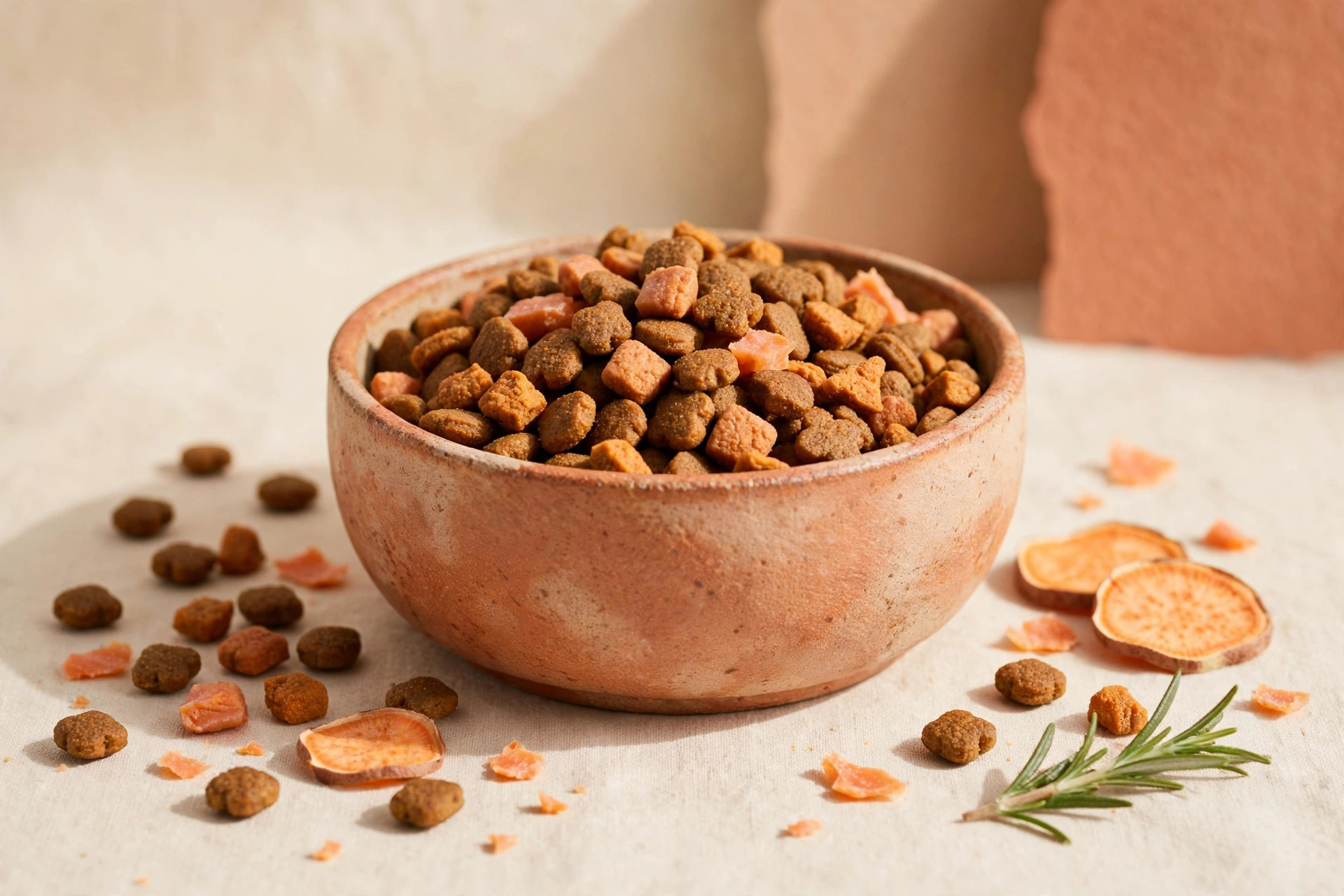
Salmon & Sweet Potato Limited-Ingredient Kibble
What to look for
- Single novel protein — salmon is ideal for elimination trials
- Gentle fiber — sweet potato over corn or wheat
- Omega-3s — for skin, coat, and calm digestion
How we evaluate
We start with the ingredient panel, checking that a named fish protein leads and that the carb list is short and recognizable. We cross-reference the formula against veterinary nutritionist guidance on elimination diets, where fish-based single-protein foods are a standard first step. We also weigh in thousands of verified owner reviews, looking specifically for reports of firmer stools and calmer digestion after the switch.
Pros
- Widest tolerance. Salmon is one of the least common canine allergens, which is why veterinary nutritionists so often recommend fish-based foods when starting an elimination trial. In owner reviews, salmon formulas show the most consistent reports of settled stomachs across breeds and ages.
- Simple panel. Limited-ingredient recipes strip out the fillers, flavorings, and protein blends that make troubleshooting so hard. When the panel is short, you can actually tell what agrees with your dog and what does not.
Cons
- Premium price. Quality fish protein and tight quality control do not come cheap, and these formulas typically run 20–40% above standard kibble. Still, most owners find the trade-off worthwhile once the vet visits and midnight cleanups stop.
The safest starting point for most sensitive dogs.
Pick 2
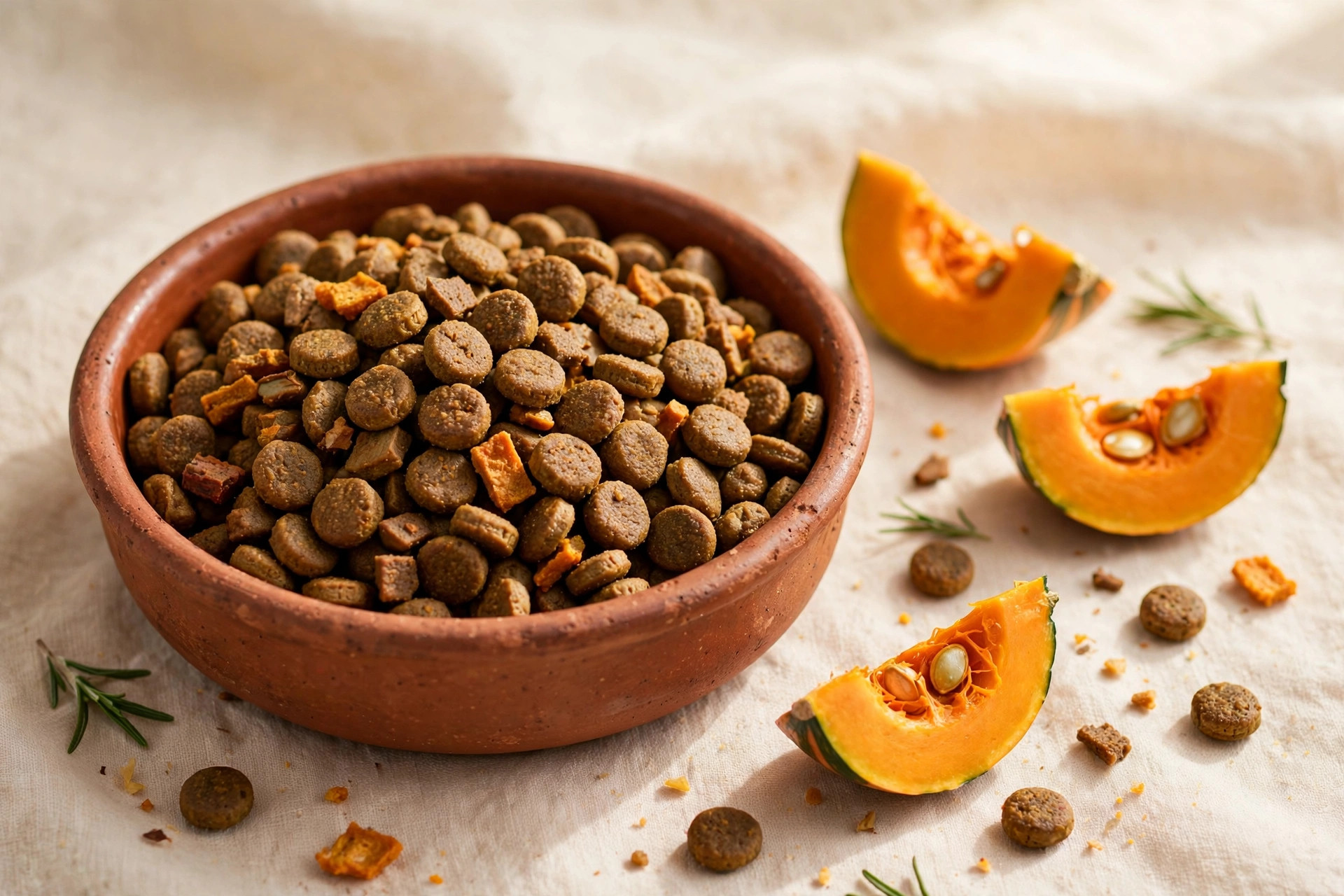
Turkey & Pumpkin Sensitive Recipe
What to look for
- Lean protein — turkey digests easier than rich meats
- Natural fiber — pumpkin, not fillers
- Clean label — no corn, wheat, or soy
How we evaluate
We look at protein digestibility data, where turkey consistently ranks as easier on the gut than richer red meats. We check that pumpkin appears as a real ingredient — not just flavoring — since its soluble fiber is what does the digestive work. We also pay attention to feedback from owners of chicken-sensitive dogs, the group this recipe is built for.
Pros
- Best chicken swap. Chicken is the single most common food allergen in dogs, so a huge number of sensitive stomachs are really chicken problems in disguise. Turkey gives those dogs a familiar poultry taste without the protein their immune system reacts to.
- Pumpkin works. Pumpkin’s soluble fiber absorbs excess water in the gut, which is why it firms up loose stools so reliably. Unlike filler fibers, it also feeds beneficial gut bacteria.
Cons
- Harder to find. Turkey-based sensitive formulas are a smaller shelf category than the big salmon and lamb lines, so your local store may not carry them. Stock up once you find one your dog does well on.
Great for chicken-sensitive dogs.
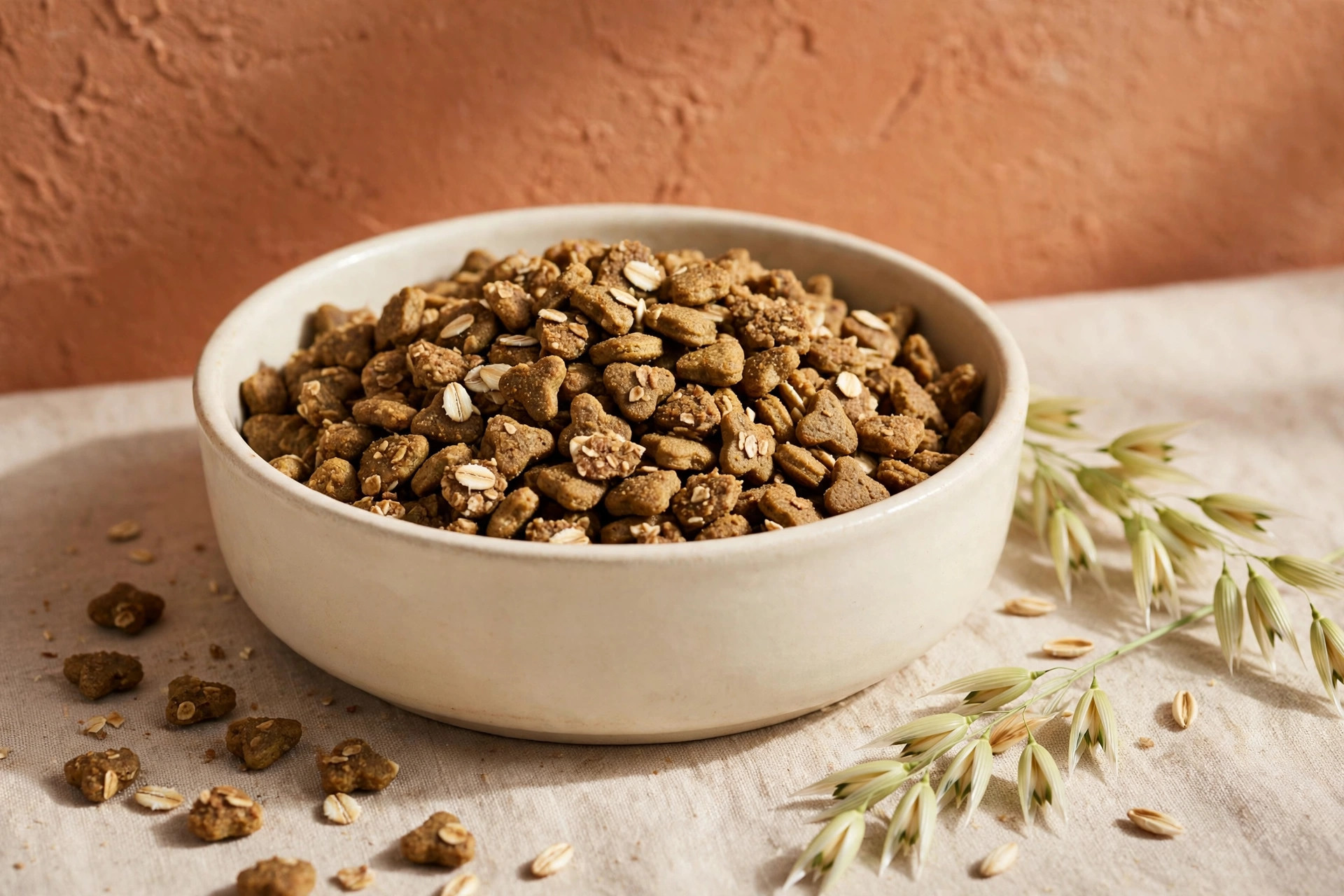
3. Lamb & Oatmeal Gentle Formula
What to look for
- Lamb as the protein — a less common allergen than beef or chicken
- Oatmeal for soluble fiber without grain overload
- Prebiotic ingredients like chicory root for gut flora support
- Moderate protein levels suited to dogs with grumbly stomachs
How we evaluate: We verify lamb is the named protein rather than a blend, since protein blends defeat the whole point of a limited-ingredient diet. We check that the fiber sources are gentle grains like oatmeal rather than corn or wheat, which are harder on sensitive guts. We also look at how owners of grain-tolerant dogs report on stool quality — lamb-and-oatmeal formulas have a long track record here, and the review patterns are consistently positive.
Pros
- Grain-inclusive option. Not every sensitive dog needs grain-free — in fact, many do better with gentle grains than without. Oatmeal’s soluble fiber regulates digestion without the heaviness of corn or wheat.
- Less-common protein. Beef and chicken top every list of common canine food allergens, and lamb sits far below both. For dogs that have been on chicken-based foods their whole lives, lamb is genuinely novel to their immune system.
- Prebiotic support. Chicory root is a natural source of inulin, a prebiotic fiber that feeds beneficial gut bacteria. It is a small ingredient that punches above its weight — and a good sign the formula was designed with digestion in mind, not just marketing.
Cons
- Not for grain-free diets. This is the wrong pick if your vet has specifically recommended grain-free — oatmeal is a grain, full stop. Always follow your vet’s guidance on the grain question rather than guessing.
Verdict: A solid pick for dogs that need grains but not wheat.
Pick 4
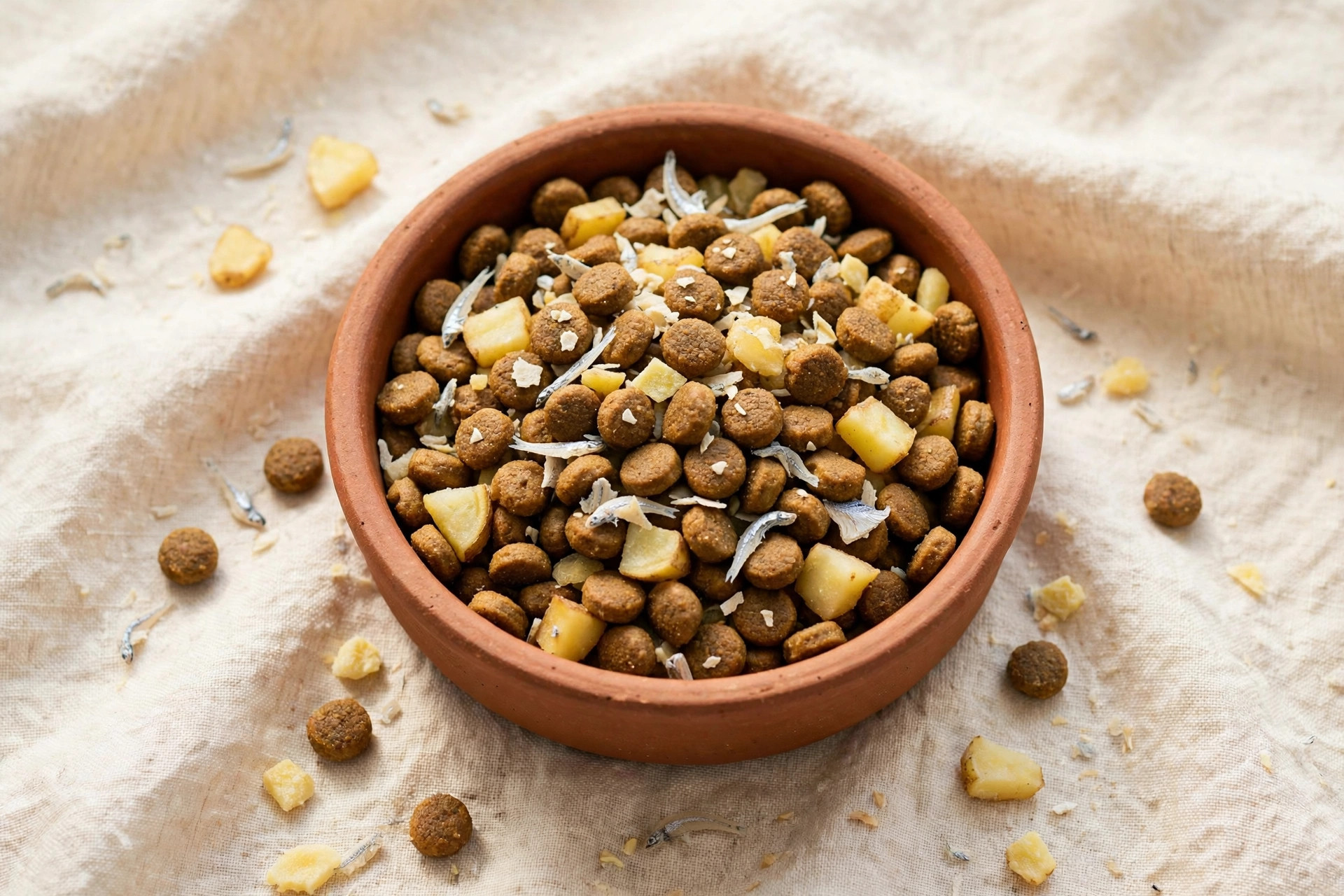
4. Whitefish & Potato Sensitive-Stomach Kibble
What to look for
- Whitefish as the protein — one of the gentlest proteins available
- Potato-based carbs that are easy on digestion
- Fortified probiotics for active gut support
- Low-fat formulation — heavy foods are harder on touchy stomachs
How we evaluate
We check that whitefish is the named first ingredient — not a generic “fish meal” that could be anything. We confirm probiotic strains are actually listed on the panel rather than implied by marketing language, since strain transparency is the difference between a real benefit and a label claim. We also review reports from owners whose dogs did not settle on salmon or turkey, the group this formula is really designed for.
Pros
- Exceptionally gentle protein. Whitefish is lean, low in fat, and rarely implicated in food allergies — the trifecta for a troubled gut. Veterinary elimination diets have used whitefish for decades for exactly this reason.
- Probiotic-fortified. Added probiotics help repopulate the gut with beneficial bacteria, which matters most during and after a food transition. Look for named strains on the label — that is the mark of a formula that takes the claim seriously.
- Good fallback option. Some dogs react to even the most common “sensitive” proteins, and that is not a failure — it is information. If you have tried two or three formulas without luck, this is a logical next step before moving to prescription diets.
Cons
- Potato-heavy carbs. Potato is a perfectly digestible carb for most dogs, but it offers less fiber than sweet potato and fewer nutrients than whole grains. If that concerns you, the sweet potato or oatmeal picks above may feel like a better fit.
Worth trying when salmon and turkey haven’t worked.
Pick 5
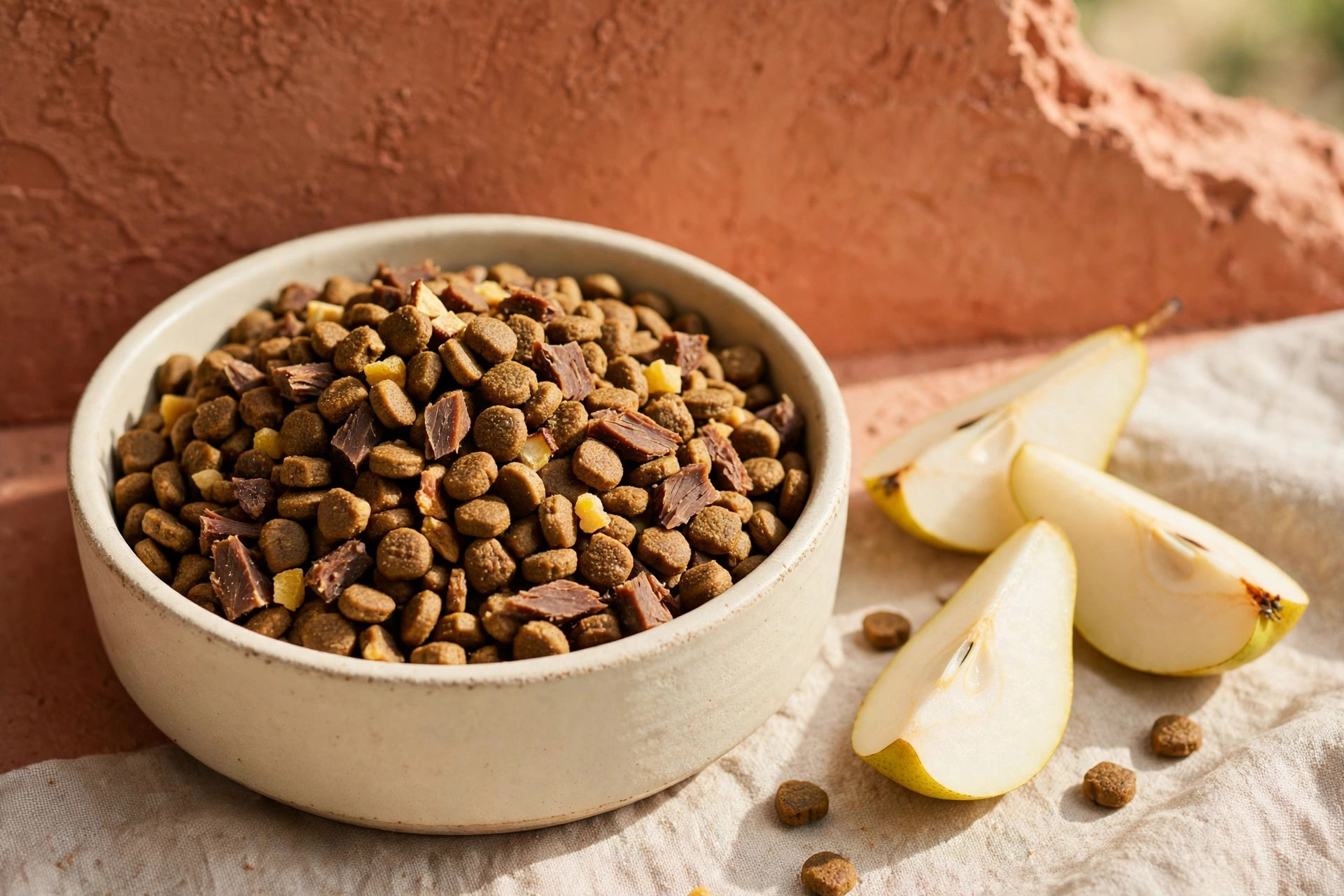
5. Duck & Pear Limited-Ingredient Diet
What to look for
- A truly novel protein — duck is new to most dogs’ diets
- A single unusual carb or fruit source like pear for gentle fiber
- Vet-formulated recipes designed for food trials
- Minimal panel with no hidden poultry meals or by-products
How we evaluate
We verify duck is the only animal protein on the panel — even trace poultry meals or by-products would undermine an elimination diet. We check the formula is designed around elimination-trial principles: single protein, single carb source, nothing extra. We also review feedback from owners running vet-supervised food trials, since this is the category where professional guidance matters most.
Pros
- Truly novel protein. Most commercial dog foods rotate through the same handful of proteins, so duck is genuinely new to the vast majority of dogs. That novelty is the whole mechanism of an elimination diet — the immune system cannot react to what it has never met.
- Pear adds gentle fiber and palatability. Elimination trials run 8–12 weeks, and a dog that will not eat the food makes the whole exercise pointless. Pear gives the formula a mild sweetness dogs like while contributing gentle, soluble fiber. It is a thoughtful carb choice — functional without being exotic for the sake of it.
- Vet-formulated for food trials. The best limited-ingredient diets are not just short panels — they are designed so a vet can actually use them diagnostically. If your vet has suggested a food trial, this is the kind of formula they mean.
Cons
- Niche availability. Duck is a specialty protein, so fewer manufacturers make these formulas and fewer stores stock them. If you go this route, buy from a reliable online source and keep a buffer bag on hand.
The elimination-diet specialist’s choice.
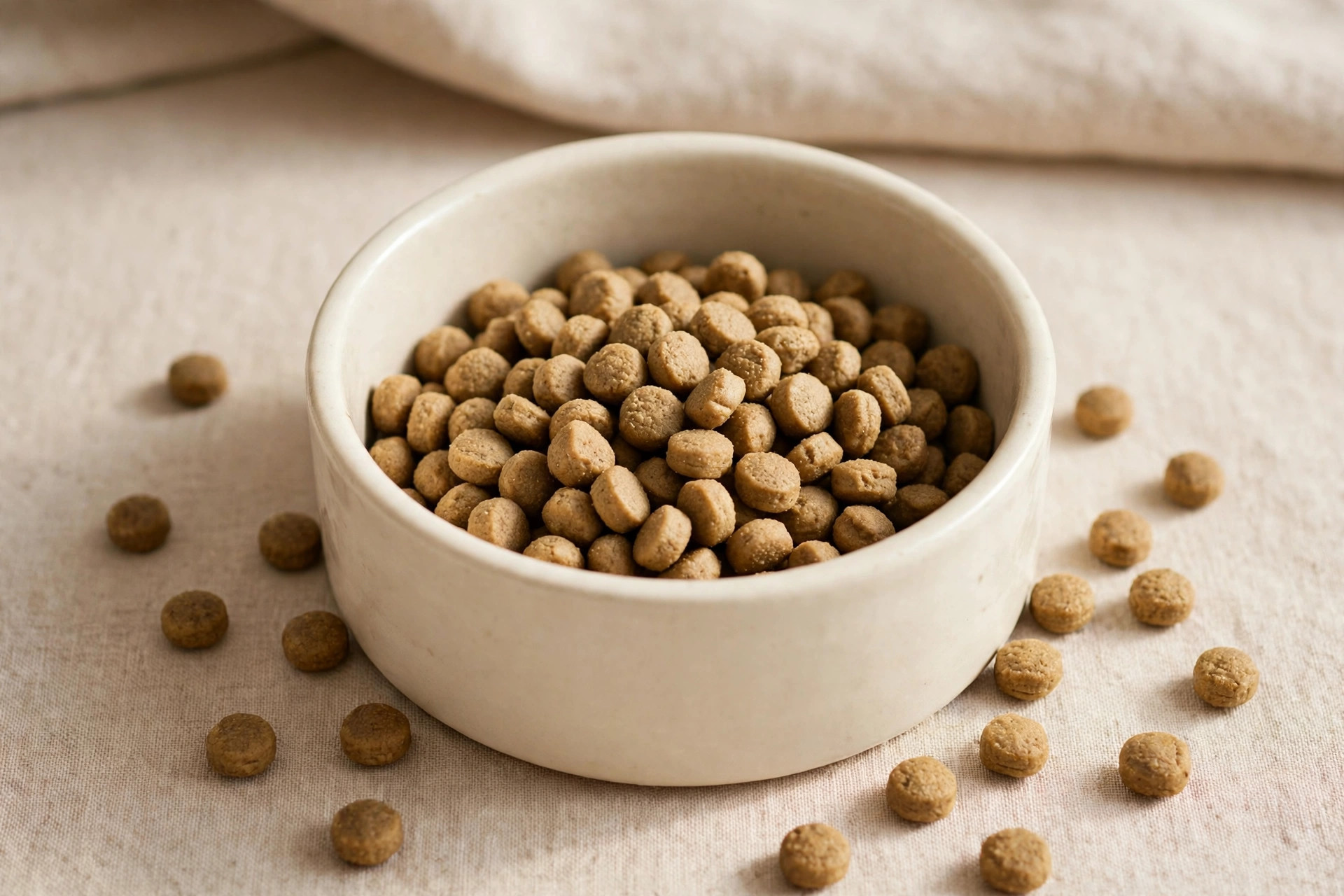
6. Hydrolyzed Protein Veterinary Formula
What to look for
- Proteins broken down (hydrolyzed) so the immune system can’t react
- A formula that requires vet authorization in most regions
- Gold-standard status for diagnosed food allergies
- Single-source hydrolyzed protein with no intact animal ingredients
How we evaluate: We review the hydrolysis method and protein source disclosed by the manufacturer — the protein must be broken down small enough that the immune system cannot recognize it. We check the product’s standing in veterinary nutrition guidelines, where hydrolyzed diets are the gold standard for confirmed allergies. We also weigh reports from owners of dogs with diagnosed — not just suspected — food allergies, since this category is built for medical cases, not mild sensitivities.
Pros
- Gold standard for diagnosed allergies. Hydrolysis breaks proteins into fragments too small for the immune system to identify, which effectively switches off the allergic response. No over-the-counter limited-ingredient diet can make that claim — intact proteins always carry some risk. For dogs with confirmed food allergies, this is not just the best option; it is the one vets fully trust.
- Vet-supervised precision. Because these formulas require veterinary authorization, the diet gets matched to an actual diagnosis rather than guesswork. That professional oversight is especially valuable when a dog has suffered through months of unexplained symptoms.
Cons
- Requires vet authorization. The prescription requirement means a vet visit first, and the formulas themselves are the most expensive in this guide — often double the price of premium kibble. But for a dog with a genuine allergy diagnosis, owners consistently say the relief is worth every penny.
- Overkill for mild sensitivities. If your dog’s issues are occasional loose stools rather than chronic allergic reactions, jumping straight to hydrolyzed protein skips several effective steps. Save this category for when simpler options — and your vet — point here.
Verdict: When sensitivities are severe, ask your vet about this category.
Pick 7
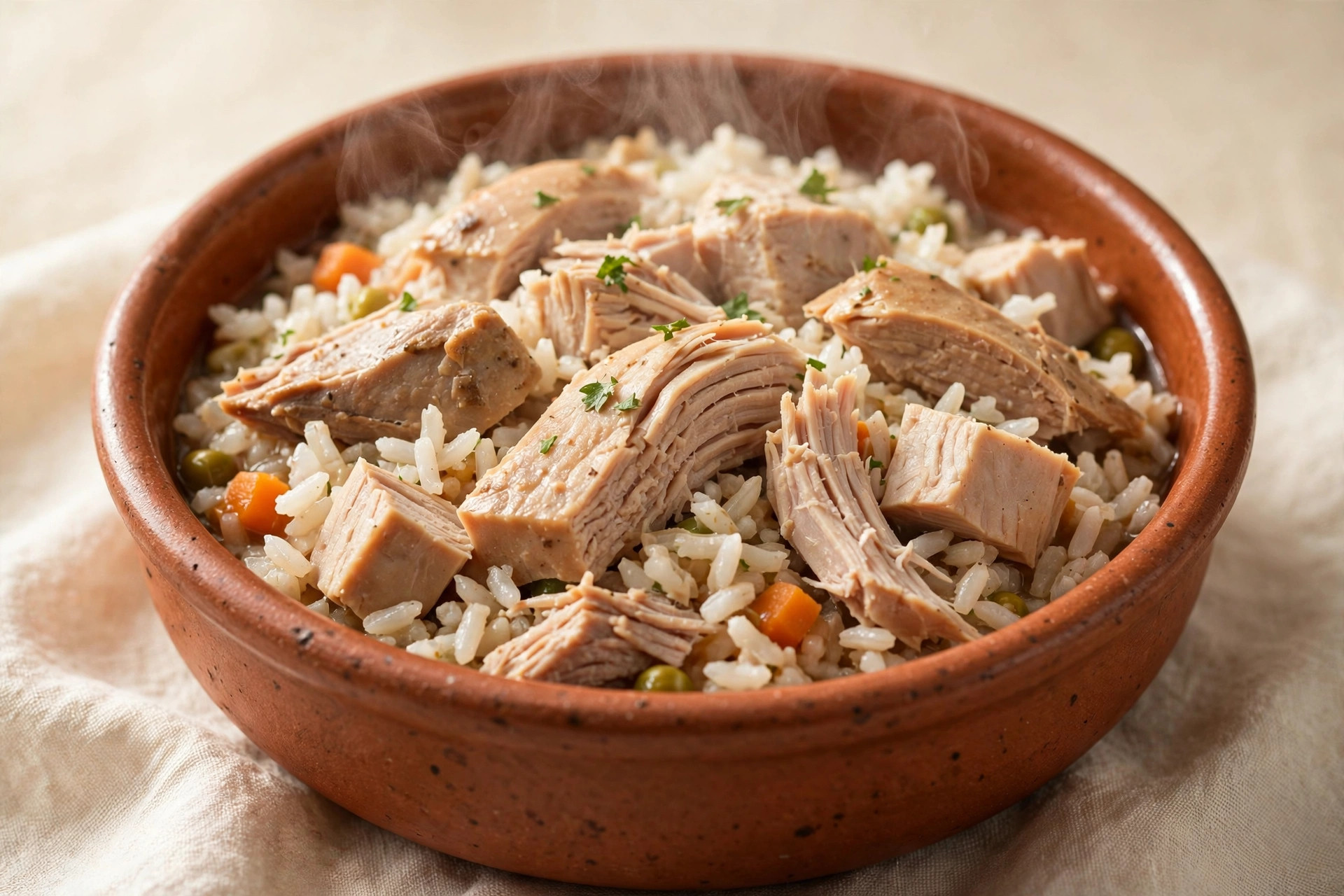
7. Fresh-Cooked Turkey & Rice Subscription
What to look for
- Human-grade ingredients, gently cooked rather than rendered
- Customizable portions by weight and activity level
- Simple, recognizable recipes — turkey, rice, vegetables
- Subscription freshness with clear feeding guidelines
How we evaluate
We compare ingredient sourcing claims across fresh-food brands, looking for human-grade standards and transparent supply chains rather than vague “premium” language. We check that portion customization actually matches weight-based calorie needs — a common failure point when brands over-simplify. We also review feedback from owners of picky, sensitive eaters, since palatability is where fresh food either justifies its price or does not.
Pros
- Human-grade, gently cooked. Gentle cooking preserves nutrients that high-heat extrusion can degrade, and human-grade sourcing means tighter quality control than feed-grade ingredients. It is the closest thing to home-cooked without the nutritional guesswork.
- Customizable portions. Overfeeding is an underrated cause of digestive upset — even the right food causes problems in the wrong amounts. These services calculate portions from your dog’s weight, age, and activity level, then adjust as needed.
- Excellent palatability. Some sensitive dogs are not just gassy — they are reluctant eaters, and the stress of mealtime makes digestion worse. Fresh food’s aroma and texture win over the pickiest dogs where kibble fails.
Cons
- Priciest option. Expect to pay two to three times what premium kibble costs — for a medium or large dog, that is a serious monthly commitment. It is worth pricing out honestly before your dog falls in love with food you cannot sustain.
- Needs refrigeration and planning. Fresh food means fridge or freezer space dedicated to dog meals, plus staying on top of delivery schedules. If your routine is unpredictable or your freezer is already full, the logistics alone can be a dealbreaker.
Priciest option, but the fresh format suits the fussiest stomachs.
🔍 Check xylitol safety on Eaoae
FAQ
How long before I see improvement?
Is grain-free always better for sensitive stomachs?
When should I see a vet instead of switching food?
This article was created with AI assistance and reviewed by our editorial team before publishing.
 5 Best Training Treats for Small Dogs (2026)
 5 Best Cat Treats for Picky Cats (2026)
 How to Choose Pet Gear That Actually Works: The Honest Buyer’s Guide